Evaluating Fort: A Bold, Brick-Inspired Display Typeface
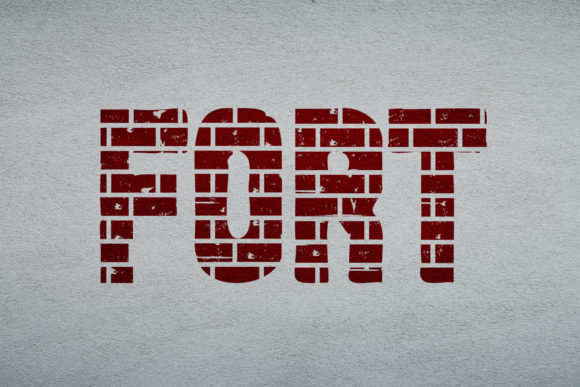
In the landscape of digital typography, display fonts often struggle to balance aesthetic impact with functional clarity. Many bold typefaces lean too heavily into novelty, sacrificing readability for shock value, while others remain so conventional that they fail to command attention. Fort emerges as a compelling exception to this trend. It is a cool and bold display font featuring characters that structurally resemble bricks. This distinctive geometric approach offers designers, marketers, and content creators a unique visual asset that can elevate any creation without overwhelming the message.
For professionals aged 20–50 who manage branding, marketing materials, or creative projects, the choice of typeface is rarely just about preference; it is about strategic communication. Fort provides a specific tonal quality—industrial, sturdy, and modern—that can anchor a design system effectively. This evaluation explores the practical applications, strengths, and limitations of Fort, helping you determine if it fits your workflow and project requirements.
Design Characteristics and Visual Identity
The defining feature of Fort is its structural resemblance to masonry. Each character is constructed from block-like segments that mimic the appearance of stacked bricks. This is not merely a stylistic flourish but a fundamental approach to letterform construction. The result is a typeface that feels heavy, grounded, and intentional. Unlike standard sans-serif fonts that rely on smooth curves and uniform stroke weights, Fort introduces texture through its very geometry.
This brick-inspired aesthetic serves several purposes:
- Visual Weight: The font commands immediate attention. Its density makes it ideal for headlines where the goal is to stop the scroll or catch the eye in a crowded environment.
- Industrial Appeal: The aesthetic aligns naturally with themes of construction, infrastructure, urban development, and manufacturing. It communicates stability and durability.
- Modern Minimalism: Despite its complexity, the design remains clean. The "bricks" are arranged with precision, avoiding clutter. This allows Fort to feel contemporary rather than retro or ornate.
For creators working on logos, posters, or web headers, this visual language provides an instant context. You do not need additional imagery to convey strength or structure; the typography itself does the work. However, this strength comes with constraints. The font is strictly a display face. It is not designed for body text or long-form reading, where the angular, segmented nature of the letters would cause fatigue and reduce legibility.
Practical Applications Across Industries
Understanding where Fort shines requires looking at specific use cases. Its utility varies significantly depending on the industry and the medium. Below are key areas where this font demonstrates high value.
Branding and Logo Design
Entrepreneurs and small business owners in sectors like real estate, construction, fitness, or tech startups often seek brands that project reliability. Fort’s robust character set allows for logo designs that feel established and trustworthy. When paired with minimalist iconography, the font can create a striking monogram or wordmark. The "brick" motif subtly reinforces concepts of building something solid, whether that is a physical structure or a business foundation.
Marketing and Advertising
Marketers and publishers benefit from Fort’s ability to create hierarchy. In digital advertisements or social media graphics, space is limited. A bold, textured headline can communicate urgency and importance faster than a thinner, more delicate font. For example, a sale announcement for home improvement tools or a launch event for a new software platform (emphasizing security and architecture) could leverage Fort to align the visual tone with the product’s core values.
Editorial and Blogging
Blogger and educators may find Fort useful for section headers, pull quotes, or featured article titles. While it should never be used for the main text, using Fort for subheads can break up dense content and add visual interest. This is particularly effective for lifestyle blogs focused on interior design, architecture, or urban exploration. The font adds a layer of sophistication that plain sans-serifs might lack, elevating the perceived quality of the publication.
Usability and Workflow Integration
From a technical standpoint, Fort is designed to be user-friendly. Most modern font libraries provide versions optimized for web (WOFF/WOFF2) and print (OTF/TTF), ensuring compatibility across various platforms. For freelancers and agencies managing multiple client projects, ease of integration is crucial.
Pairing Strategies:
The success of Fort depends largely on how it is paired. Because it is visually loud, it requires quiet companions. Clean, neutral sans-serif fonts or simple serif fonts work best for body text. The contrast between the bold, structured Fort and a light, readable body font creates a balanced composition. Avoid pairing it with other decorative or heavy fonts, as this will result in visual chaos.
Consistency and Licensing:
When evaluating any font, license terms are a critical factor. Professionals must ensure they understand the scope of usage—whether for personal projects, commercial products, or unlimited client work. Fort’s versatility makes it a valuable addition to a library, provided the licensing allows for the intended distribution. Always verify these details before integrating the font into final deliverables to avoid legal complications.
Limitations and Considerations
No typeface is a universal solution, and Fort is no exception. Its primary limitation is its narrow application window. It is a specialist tool, not a generalist one. Using Fort for paragraphs, menus, or navigation bars will hinder user experience. The angular breaks in the letters can obscure character recognition, especially at smaller sizes or on low-resolution screens.
Additionally, the "cool and bold" aesthetic may not suit all brand identities. Brands aiming for elegance, softness, or traditional professionalism might find Fort too aggressive or industrial. It is essential to assess the emotional tone of the project before committing. If the goal is to evoke warmth, delicacy, or approachability, Fort will likely work against those objectives.
There is also the consideration of overuse. As display fonts become more popular, their novelty can wear off quickly. Using Fort sparingly ensures it retains its impact. If every headline in a campaign uses Fort, the effect becomes repetitive and loses its power. Strategic placement is key to maintaining effectiveness.
Long-Term Value and Library Fit
For serious hobbyists and professional creatives, building a diverse typeface library is an investment in future productivity. Fort offers strong long-term value due to its thematic specificity. While trends change, the demand for fonts that convey strength, structure, and modernity remains constant. Having Fort available means being prepared for projects that require this specific voice without needing to search for alternatives or compromise on design intent.
Its potential to elevate any creation lies in its ability to provide instant character. It saves time by reducing the need for extensive graphic design elements to convey mood. Instead, the typography itself sets the stage. For educators creating course materials, for entrepreneurs launching a startup, or for marketers running a campaign, Fort is a reliable asset that delivers consistent results.
Conclusion
Fort stands out as a distinctive and powerful tool in the typographer’s arsenal. Its brick-inspired design offers a unique blend of industrial grit and modern cleanliness, making it suitable for a wide range of bold, impactful applications. While it is not suited for body text or subtle messaging, its strength as a display font is undeniable. By understanding its limitations and leveraging its strengths, professionals can use Fort to create designs that are not only visually striking but also strategically aligned with their brand goals. For those seeking to add weight, texture, and authority to their visual communications, Fort is an incredible asset worth considering.