Stickplan: A Geometric Display Font for Bold Projects
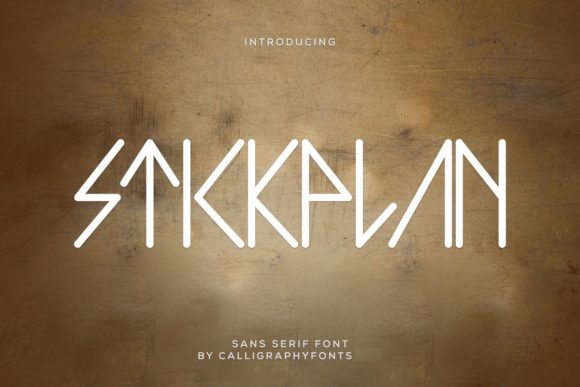
When you are designing a visual identity, the choice of typography often dictates the entire mood of the project. It is not merely about readability; it is about character, structure, and immediate impact. Stickplan enters this space as a thin-lettered, geometrically shaped display font that offers a distinct aesthetic. Unlike traditional serif or sans-serif fonts that rely on subtle curves or historical weight, Stickplan relies on precision and minimalism. Its defining characteristic is its slender stroke width combined with rigid, geometric forms, creating a look that is both modern and strikingly clean.
This font is not designed for body text. You will rarely see Stickplan used for long paragraphs in a book or a blog post where legibility over hundreds of words is the priority. Instead, it shines in the realm of display design—headlines, logos, posters, and branding elements where space is limited but attention must be captured instantly. The thin lines require high-resolution rendering to maintain their integrity, ensuring that every angle remains sharp and every gap consistent.
Understanding the Design Philosophy
To appreciate Stickplan, one must understand the concept of geometric typefaces. These fonts are constructed using basic shapes like circles, squares, and triangles. Stickplan takes this further by reducing the stroke weight significantly. This reduction creates a sense of elegance and sophistication, but it also demands careful placement. Because the letters are thin, they can disappear if placed against busy backgrounds or if scaled too small.
The "stick" aspect of the name refers to these uniform, slender strokes. There is no variation in thickness from top to bottom, which gives the font a mechanical yet artistic feel. This consistency makes it incredibly versatile for projects that require a sense of order and precision. Whether you are designing a tech startup logo or an art gallery poster, the geometric purity of Stickplan provides a neutral yet bold foundation upon which other design elements can thrive.
Why Different Audiences Care About Typography
Not everyone looks at a font the same way. A graphic designer might focus on kerning and optical balance, while a business owner might care more about brand recognition. Understanding how different groups interact with a tool like Stickplan helps clarify its practical value.
- Graphic Designers: For professionals, Stickplan offers a unique tool for creating hierarchy. The thin lines allow designers to create intricate patterns or large-scale typographic art without overwhelming the viewer. It is ideal for situations where the text itself is the primary image.
- Entrepreneurs: Small business owners often need to convey trust and modernity. Stickplan’s clean geometry suggests efficiency and innovation, qualities that resonate well with tech-savvy consumers or luxury brands seeking understated elegance.
- Educators: In educational materials, clarity is key. While Stickplan is not for reading passages, it is excellent for chapter headers, slide titles, and infographic labels. It helps break up dense information visually, making learning materials more engaging and easier to navigate.
Practical Applications Across Industries
The versatility of Stickplan lies in its ability to adapt to various creative contexts. Here is how different users might integrate it into their workflow.
Branding and Logo Design
For freelancers and agencies, creating a memorable logo is paramount. Stickplan’s geometric nature makes it suitable for monograms and wordmarks that need to stand out in a crowded marketplace. Imagine a minimalist fashion brand or a high-end architecture firm. The thin, precise lines of Stickplan communicate exclusivity and attention to detail. When paired with ample white space, the font allows the brand name to breathe, creating a luxurious feel without the need for excessive decoration.
Digital Marketing and Social Media
Marketers and bloggers frequently struggle with capturing attention in a split second. On social media platforms, images are viewed quickly on mobile devices. Stickplan, when used in large sizes, maintains its legibility and impact even at smaller scales, provided the contrast is high. It works exceptionally well for quote graphics, promotional banners, and event announcements. The stark contrast between the thin letters and vibrant backgrounds can draw the eye immediately, increasing click-through rates for campaigns that rely on visual storytelling.
Event and Exhibition Design
For hobbyists organizing local events or professionals planning exhibitions, signage is crucial. Stickplan is perfect for directional signs, ticket designs, and exhibition catalogs. Its geometric shape aligns well with modern interior design trends, making it a natural fit for contemporary spaces. The font’s simplicity ensures that information is conveyed quickly, reducing cognitive load for attendees who are navigating unfamiliar environments.
Evaluating Stickplan for Your Needs
Before adding Stickplan to your toolkit, consider your specific requirements. Is ease of use important to you? As a display font, Stickplan requires less technical expertise than custom lettering. Most modern design software supports it readily, allowing you to experiment with size, color, and spacing without complex adjustments. However, because it is a thin font, you must pay attention to resolution. Low-quality prints may result in jagged edges, so always ensure your output settings match the font’s precision.
What about cost and flexibility? Stickplan is typically available through various font marketplaces, offering a one-time purchase or subscription model depending on the provider. For creators who need a reliable, professional-grade font for multiple projects, the investment is often justified by the unique aesthetic it brings. It fills a niche that standard fonts cannot, providing a distinctive voice for your work.
Consider your skill level. Beginners might find Stickplan intimidating due to its strict geometric rules, but this constraint can actually be helpful. It forces good design habits, such as proper alignment and spacing. Experienced users, on the other hand, will appreciate the control it offers. They can manipulate the font to create complex visual textures, layering it with other elements to produce sophisticated compositions.
Maximizing Creative Potential
To get the most out of Stickplan, think beyond simple text insertion. Experiment with negative space. Let the gaps between the letters become part of the design. Try pairing Stickplan with a contrasting style, such as a soft, organic background or a bold, colorful image, to highlight its structural beauty. The key is to let the font speak through its form rather than relying on decorative effects.
Remember that Stickplan is a display font. Use it sparingly and intentionally. When used correctly, it transforms ordinary layouts into striking visual statements. It invites viewers to pause and appreciate the craftsmanship behind the design. By integrating Stickplan into your creative ideas, you add a layer of sophistication and modernity that can elevate your projects from good to exceptional. Whether you are a seasoned pro or just starting out, this font offers a powerful way to make your work stand out in a visually noisy world.