Flyrist: Bold Typography for Impactful Design
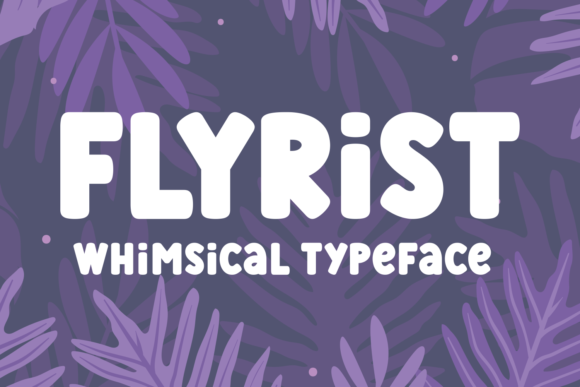
In the crowded landscape of visual communication, capturing attention within seconds is not just an advantage—it is a necessity. This is where Flyrist, a cool and bold display font that is readable and stylish, steps in as a transformative asset for modern creators. Designed to make a statement without sacrificing clarity, Flyrist bridges the gap between edgy aesthetics and professional legibility, making it an ideal choice for designers seeking to elevate their projects from ordinary to extraordinary.
The Power of Bold Display Typography
Typography is often described as the voice of your design. While body text informs, display fonts like Flyrist persuade and captivate. In an era where users scroll rapidly through digital feeds or glance at printed materials for mere moments, the right typeface can anchor a composition and guide the eye. Flyrist’s distinct character set offers a unique personality that stands out against more conventional sans-serif or serif options, providing immediate visual hierarchy.
For graphic designers and branding specialists, finding a font that balances "cool" with "readable" is a constant challenge. Many bold fonts become illegible at smaller sizes or lose their impact when scaled up. Flyrist solves this by maintaining its structural integrity across various mediums. Whether used for a massive billboard or a crisp business card, the font retains its sharp edges and confident stance, ensuring that your message is delivered with authority.
Practical Applications in Modern Design
The versatility of Flyrist makes it suitable for a wide array of creative projects. Its robust form factor allows it to serve as a focal point in designs where other elements might compete for attention. Here are several key areas where Flyrist shines:
- Branding and Logo Design: For startups or established brands looking to inject energy into their identity, Flyrist provides a strong foundation. It works exceptionally well for logo lockups, particularly in industries like fitness, entertainment, tech, and fashion, where modern aesthetics are prized.
- Marketing Materials: From flyers to brochures, using Flyrist for headlines creates an instant hook. Pairing its bold weight with a clean, minimalist background allows the typography to take center stage, driving engagement and directing viewer focus.
- Social Media Graphics: In the fast-paced world of digital marketing, static images need to stop the scroll. Flyrist’s high contrast and stylish curves ensure that quotes, announcements, and promotional posts remain legible even on small mobile screens.
- Packaging Design: Shelf presence is critical. A product package featuring Flyrist can convey premium quality and boldness simultaneously. It adds a tactile feel to visual design, suggesting that the product inside is equally substantial.
- Editorial and Web Headers: In editorial design, Flyrist can be used for pull quotes or section headers to break up text and add rhythm. On web design, it serves as an excellent H1 tag font, enhancing UX design by making navigation and content entry points clear and inviting.
Enhancing Visual Hierarchy and Composition
Effective design relies heavily on visual hierarchy—the arrangement of elements to indicate their order of importance. Flyrist aids this process naturally. Because the font commands attention, designers can use it sparingly to highlight key information. For instance, in a poster layout, using Flyrist for the main event title while keeping secondary details in a neutral, lightweight font creates a balanced composition that is easy to digest.
When integrating Flyrist into your design workflow, consider the color palette carefully. The font’s bold nature pairs beautifully with high-contrast colors. A black Flyrist headline on a white background exudes sophistication, while a vibrant neon hue can amplify its energetic vibe. However, avoid cluttering the design with too many competing elements; let the typography breathe.
Tips for Maximizing Flyrist’s Potential
To get the most out of this typeface, keep the following practical tips in mind:
- Maintain Readability: Even though Flyrist is a display font, avoid stretching or distorting it. Use it at optimal sizes where its letterforms are fully visible. If you need to scale it down significantly, test legibility thoroughly.
- Pair Wisely: Since Flyrist is a dominant typeface, pair it with simple, unobtrusive fonts for body text. Clean geometric sans-serifs or classic serifs work best to complement its bold style without creating visual noise.
- Use for Impact, Not Volume: Reserve Flyrist for short bursts of text—titles, slogans, and call-to-action buttons. Using it for long paragraphs can fatigue the reader and diminish its special effect.
- Consider Context: Ensure the font aligns with your brand’s tone. Flyrist is confident and modern, so it may not suit brands aiming for a traditional, conservative, or overly delicate aesthetic.
Ultimately, the success of any design project lies in the thoughtful selection of its components. By incorporating a distinctive font like Flyrist, you are not just choosing a typeface; you are investing in a tool that enhances communication, strengthens brand recognition, and elevates the overall quality of your visual assets. Explore its endless possibilities to see how bold, readable typography can transform your creative projects into memorable experiences.