Evaluating Greatboyz: A Practical Look at Street-Style Typography for Modern Branding
In the realm of graphic design, typography is rarely just about readability; it is a primary vehicle for tone, attitude, and cultural signaling. When a brand seeks to project energy, rebellion, or urban authenticity, standard sans-serif or serif fonts often fall short. This is where display fonts with specific stylistic roots become essential tools. Among these, Greatboyz has emerged as a distinct option for designers working within the street art aesthetic. It is not merely a decorative typeface but a deliberate stylistic choice that carries the weight of graffiti culture into commercial applications.
For professionals aged 20–50 who are evaluating typefaces for t-shirt designs, sportswear branding, or high-impact advertisements, understanding the nuances of Greatboyz is crucial. This evaluation explores what makes the font unique, how it compares to broader categories of urban typography, and the practical tradeoffs involved in its use. The goal is to provide a clear framework for deciding whether Greatboyz aligns with your specific creative objectives.
Defining the Aesthetic: What Makes Greatboyz Distinct?
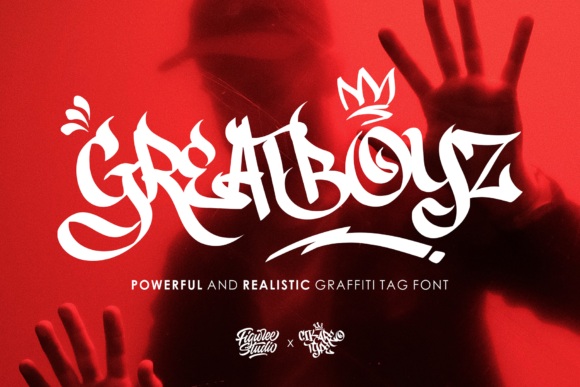
Greatboyz is characterized by its graffiti-styled display form. Unlike traditional script fonts that aim for elegance or legibility through fluid connections, this font embraces the chaotic, bold, and often irregular nature of street art. The letterforms typically feature exaggerated thickness, sharp angles, and a sense of movement that mimics the action of a spray can on concrete. This visual language immediately communicates a "cool," edgy, and youthful vibe.
The distinctiveness of Greatboyz lies in its balance between artistic expression and structural integrity. While many graffiti-inspired fonts can appear messy or illegible when scaled down, Greatboyz maintains enough definition to remain readable in most contexts. This makes it particularly suitable for large-scale applications such as billboards, storefront signage, and logo marks where immediate visual impact is required. The font’s inherent texture—often simulated through jagged edges or uneven ink distribution—adds a layer of depth that flat, geometric fonts lack.
When you select Greatboyz, you are not just choosing a typeface; you are invoking a specific cultural context. It signals that the brand or project is grounded in urban culture, music scenes, or youth-oriented sports. This association is powerful but also requires careful handling to ensure the message remains professional rather than amateurish.
Comparing Greatboyz to Broader Typography Categories
To understand where Greatboyz fits in the design landscape, it is helpful to compare it against other common approaches to urban and energetic typography. Designers often face a choice between three main categories: clean modern minimalism, vintage retro styles, and raw street aesthetics.
Street Aesthetics vs. Clean Minimalism
Clean minimalism relies on whitespace, thin lines, and neutral tones to convey sophistication. In contrast, Greatboyz operates on the opposite end of the spectrum. It is dense, loud, and visually aggressive. For projects targeting a mature corporate audience, Greatboyz would likely be inappropriate. However, for brands aiming to disrupt traditional norms or appeal to a demographic that values authenticity over polish, the raw energy of Greatboyz offers a significant advantage. The tradeoff here is clarity; while minimalism ensures instant comprehension, street-style fonts require the viewer to engage more actively with the design.
Street Aesthetics vs. Vintage Retro Styles
Vintage retro fonts often mimic mid-century advertising or old-school skate culture with a sanitized, nostalgic filter. They are safe and widely accepted across various demographics. Greatboyz, however, feels more contemporary and unfiltered. It lacks the polished sheen of retro revival fonts, opting instead for a grittier realism. If a brand wants to evoke nostalgia, a retro font might be the better choice. But if the goal is to signal current relevance and street credibility, Greatboyz provides a more authentic connection to present-day urban culture.
Practical Applications and Best-Fit Scenarios
Understanding the strengths of Greatboyz helps in identifying the right use cases. The font is not a one-size-fits-all solution; it excels in specific environments where its visual weight can be fully appreciated without causing cognitive overload.
- T-Shirt and Apparel Design: This is perhaps the most natural home for Greatboyz. The bold strokes translate well to screen printing and embroidery, creating a striking visual on fabric. It works particularly well for sportswear brands, skate shops, and lifestyle apparel that wants to stand out on crowded streets.
- Logo Creation: When used as a primary logo element, Greatboyz can establish an immediate brand identity rooted in energy and movement. However, logos require versatility. Designers must consider how the font holds up in monochrome or small sizes. In these cases, pairing Greatboyz with a simpler secondary font can maintain legibility while preserving the street aesthetic.
- Advertisements and Posters: For event posters, concert flyers, or promotional banners, Greatboyz commands attention. Its irregular shapes create dynamic compositions that guide the eye across the page. It is ideal for headlines where the text needs to act as a graphical element itself.
- Social Media Graphics: In the fast-scrolling world of social media, bold typography stops the thumb. Greatboyz’s high contrast and distinctive shape make it effective for Instagram stories or YouTube thumbnails where quick recognition is key.
Evaluating Tradeoffs and Limitations
No typeface is without its limitations, and Greatboyz is no exception. Understanding these constraints is vital for making an informed decision. The primary challenge with graffiti-styled fonts is legibility at smaller scales. Because the letterforms are complex and often interconnected, reducing the size can cause the details to blur together, resulting in a muddy appearance that loses the intended impact.
Another consideration is the potential for cliché. Street art fonts have been used extensively in marketing for decades. There is a risk that using Greatboyz could make a design feel dated or generic if not executed with creativity. To avoid this, designers should focus on how they pair the font with other elements. Using unexpected color palettes, unconventional layouts, or mixing Greatboyz with minimalist elements can help keep the design fresh and original.
Furthermore, the "cool" factor associated with Greatboyz is subjective. What resonates with a younger audience might alienate older consumers or international markets unfamiliar with Western street culture. Brands must carefully assess their target demographic before committing to this style. If the goal is universal appeal, a more neutral typeface may be safer. If the goal is niche dominance within a specific subculture, Greatboyz is a powerful asset.
Decision Factors: When to Choose Greatboyz
Deciding whether to use Greatboyz ultimately comes down to alignment with brand values and project goals. Consider the following factors during your evaluation:
- Brand Personality: Does your brand want to appear rebellious, energetic, and youthful? If yes, Greatboyz supports this narrative effectively. If your brand values tradition, stability, or luxury, this font will work against those goals.
- Visual Hierarchy: Will the font be used as a dominant headline or as body text? Greatboyz is designed for display purposes. It should never be used for long paragraphs of text. Ensure your design plan reserves it for impactful, short bursts of communication.
- Production Method: How will the final product be produced? If you are printing on textured materials like canvas or distressed paper, Greatboyz’s rough edges will blend seamlessly. On smooth, high-gloss surfaces, the font may need additional treatment to maintain its edge.
- Competitive Landscape: Look at competitors in your space. If everyone is using clean, modern fonts, adopting Greatboyz can help you differentiate. Conversely, if your market is saturated with street-style designs, you may need to innovate beyond the font itself to stand out.
Conclusion: Integrating Style with Strategy
Greatboyz is more than just a cool-looking font; it is a strategic tool for communicating specific cultural cues. Its graffiti-styled display format offers a unique blend of artistic flair and commercial viability, making it suitable for a wide range of applications from sportswear to digital ads. However, its effectiveness depends entirely on context. Designers must weigh the benefits of high visual impact against the challenges of legibility and potential stylistic fatigue.
By treating Greatboyz as part of a broader design strategy rather than a standalone solution, creators can leverage its strengths while mitigating its limitations. Whether paired with minimalist backgrounds to create contrast or combined with vibrant graphics to amplify energy, Greatboyz can serve as a powerful anchor for brands seeking to connect with audiences through the language of street art. The key is intentionality: use the font because it serves the message, not just because it looks good.