Dream True: Integrating a Playful Display Font into Professional Design Workflows
In the landscape of digital typography, selecting the right typeface is rarely just an aesthetic choice; it is a functional decision that impacts readability, brand voice, and user engagement. For designers, marketers, and content creators working with audiences that require approachability and warmth, Dream True emerges as a specialized tool within the broader design ecosystem. Classified as a fun, tall, and adaptable display font, it serves a specific niche where standard sans-serifs or serif fonts might fail to convey the intended emotional resonance.
This article explores how Dream True fits into practical workflows for professionals aged 20–50, including entrepreneurs, educators, and freelance creators. We will examine its structural characteristics, compatibility with various platforms, and strategic implementation in projects ranging from children’s educational materials to vibrant marketing campaigns.
Understanding the Structural Profile of Dream True
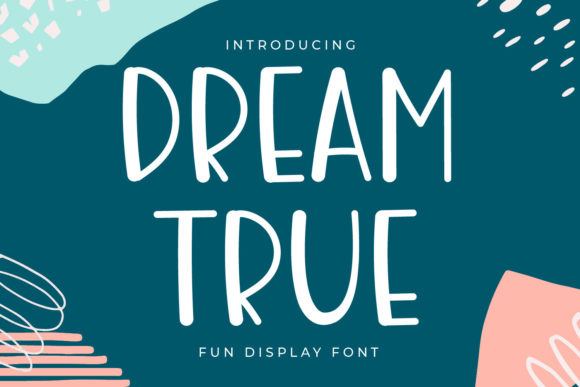
To integrate any asset effectively, one must first understand its technical and visual properties. Dream True is defined by its exaggerated verticality and playful character shapes. The "tall" aspect of its design creates a unique optical weight, allowing it to command attention without relying on heavy bold weights that can clutter a layout. This adaptability makes it suitable for a wide array of applications, from cartoon-related designs to children’s games.
The font’s primary value proposition lies in its ability to inject a "lovely touch" into digital and print media. Unlike geometric sans-serifs that prioritize neutrality, Dream True carries inherent personality. It suggests whimsy, creativity, and accessibility. For a professional workflow, this means less time spent explaining the tone of a project to stakeholders and more time executing the visual strategy. The font does the heavy lifting of establishing mood, allowing other design elements like color palettes and imagery to support rather than compete with the typographic hierarchy.
Visual Hierarchy and Readability Considerations
While display fonts are designed for impact, their use in body text is generally discouraged due to legibility issues over long passages. Dream True follows this industry standard. Its optimal use case is in headlines, titles, call-to-action buttons, and short promotional copy. When integrating this font into a larger document or webpage, it should act as an anchor point. For instance, in a blog post aimed at parents or educators, using Dream True for the main heading draws the eye immediately, signaling that the content is engaging and relevant to the target demographic. The rest of the text should then revert to a highly readable neutral font, creating a balanced contrast between excitement and clarity.
Strategic Integration Across Different Workflow Stages
The utility of Dream True extends beyond the final pixel placement. It influences decisions made during the planning, execution, and quality control phases of a creative project. Understanding when and where to deploy this font ensures that the final output aligns with business goals and audience expectations.
Pre-Production and Branding Strategy
Before opening any design software, professionals often define their brand voice. If a small business owner is launching a line of children’s toys, or an educator is creating digital flashcards, the selection of Dream True during the branding phase sets a clear precedent. It signals to clients and users that the brand is friendly, safe, and imaginative. In this preparatory stage, it is crucial to verify licensing terms. Display fonts often have different licensing structures for commercial use compared to personal projects. Ensuring that you have the appropriate rights to use Dream True prevents legal complications later in the distribution process.
Furthermore, consider the consistency of your brand assets. If Dream True is chosen for a logo or primary header, it should be documented in your style guide. This ensures that whether a freelancer, an in-house designer, or a marketing agency handles future updates, the visual identity remains cohesive. A consistent use of a distinctive font reduces cognitive load for the audience, helping them recognize your brand instantly across different touchpoints.
Execution in Digital and Print Media
During the execution phase, the adaptability of Dream True shines in cross-platform design. Whether you are designing a mobile app interface for a kids’ game or a printed brochure for a local school event, the font scales well provided that minimum size constraints are respected. Because of its tall structure, it performs exceptionally well in vertical spaces, such as sidebars, social media story templates, or banner ads where horizontal space is limited.
For bloggers and publishers, integrating Dream True can enhance click-through rates on featured images or newsletter headers. The human brain processes playful, high-contrast visuals faster than dense text blocks. By using Dream True to highlight key takeaways or section breaks, you guide the reader’s journey through your content more effectively. However, care must be taken with kerning and tracking. Due to the irregular shapes of some characters in playful fonts, automatic spacing may not always yield optimal results. Manual adjustment of letter spacing ensures that the text looks polished and professional, avoiding the appearance of amateurish design.
Compatibility and Technical Implementation
A critical factor in adopting any new font is its compatibility with existing tools and platforms. Dream True, being a modern display font, is likely available in standard formats such as OTF (OpenType Font) and TTF (TrueType Font). These formats ensure broad compatibility with major design suites like Adobe Creative Cloud, Affinity Designer, and Canva, as well as word processors like Microsoft Word and Google Docs.
- Web Implementation: If you are embedding Dream True on a website, consider converting it to WOFF or WOFF2 formats for optimal loading speeds. Ensure that the font file size does not negatively impact your site’s performance metrics, which are crucial for SEO and user experience.
- Print Production: For high-quality print materials, ensure that the resolution of any rasterized previews is sufficient and that the vector outlines of the font are intact. This guarantees that the sharp, tall edges of the letters remain crisp when scaled up for posters or billboards.
- Accessibility: While Dream True is visually striking, it is important to maintain sufficient contrast ratios against background colors. WCAG (Web Content Accessibility Guidelines) recommend a contrast ratio of at least 4.5:1 for normal text. Using dark shades of the font against light backgrounds, or vice versa, ensures that your design is accessible to users with visual impairments.
Best Practices for Long-Term Use and Maintenance
Integrating Dream True into your workflow is not a one-time action but part of an ongoing creative practice. To maintain efficiency and quality, consider the following best practices:
- Create Presets: Save Dream True as a paragraph style or preset in your design software. This allows you to apply consistent formatting quickly across multiple documents, saving time and reducing errors.
- Limit Variations: Despite the font’s adaptability, avoid using too many weights or styles simultaneously. Stick to one or two variations to maintain visual harmony. Overusing a display font can lead to visual fatigue and dilute its impact.
- Pair Strategically: Pair Dream True with simple, neutral fonts for body text. Fonts like Helvetica, Arial, or Roboto provide a stable foundation that allows the playful nature of Dream True to stand out without causing chaos. This combination balances professionalism with creativity.
- Regular Audits: Periodically review your use of Dream True in past projects. Does it still align with current trends and brand values? Typography evolves, and what felt fresh five years ago may now feel dated. Regular audits ensure that your visual communication remains relevant and effective.
Conclusion
Dream True is more than just a decorative typeface; it is a strategic asset for professionals seeking to connect with audiences on a more personal and engaging level. Its tall, adaptable structure and playful character make it ideal for projects involving children, education, entertainment, and creative industries. By understanding its technical properties, respecting its limitations, and integrating it thoughtfully into your design workflow, you can leverage Dream True to create compelling, high-quality visual content that resonates with viewers.
Whether you are designing a cartoon-themed mobile game, crafting a welcoming classroom environment, or developing a marketing campaign for a family-oriented product, Dream True offers the lovely touch needed to bring your vision to life. With careful planning and consistent application, this font can become a cornerstone of your creative toolkit, enhancing both the aesthetic appeal and the communicative power of your work.