The Geometric Edge: Why Angled Font Is Reshaping Modern Visual Communication
In the rapidly evolving landscape of digital and physical design, typography serves as more than just a vehicle for text; it is a primary carrier of brand identity, mood, and structural integrity. Among the myriad typefaces available to designers today, Angled has emerged as a distinctive choice for those seeking to convey precision, energy, and a futuristic aesthetic. This bold and geometric styled display font does not merely sit on the page; it commands attention through its sharp lines and calculated angles, making it an essential tool in the arsenal of modern creatives.
Understanding the specific utility of a typeface like Angled requires looking beyond its visual appeal to how it functions within broader design ecosystems. Whether you are a graphic designer crafting a logo, a marketing professional developing an advertisement, or a hobbyist creating custom t-shirts, the choice of font influences readability, emotional response, and market positioning. This article explores the multifaceted applications of Angled, examining its characteristics, advantages, and the strategic contexts in which it thrives.
Deconstructing the Aesthetic: What Makes Angled Unique?
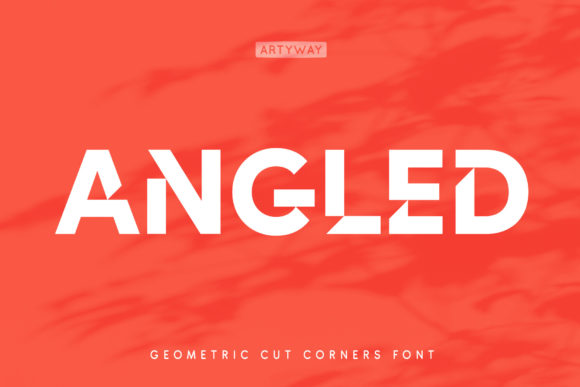
To appreciate the value of Angled, one must first analyze its structural DNA. As a display font, it is designed to be read at large sizes, where its intricate details and overall silhouette can be fully appreciated. The defining characteristic of Angled is its geometric construction. Unlike organic or humanist fonts that mimic the natural flow of handwriting, Angled relies on mathematical precision. Its letters are built from straight lines and acute angles, eliminating curves wherever possible to create a sense of rigidity and strength.
This "techno" look is not accidental. It reflects a design philosophy rooted in industrial efficiency and digital clarity. The sharp vertices of the characters suggest speed, movement, and technological advancement. For instance, the letter 'A' might feature a perfectly horizontal crossbar and legs that angle outward at exact degrees, creating a stable yet dynamic foundation. This geometric purity allows the font to stand out in crowded visual environments, such as billboards or social media headers, where immediate recognition is crucial.
Furthermore, the bold weight often associated with Angled variants ensures high visibility. In a world saturated with information, bold typography acts as a visual anchor. It cuts through noise and demands engagement. However, this boldness must be balanced with proper spacing and context to avoid overwhelming the viewer. The interplay between the heavy strokes and the negative space around them is critical in maintaining legibility while preserving the font's aggressive character.
Strategic Applications Across Industries
The versatility of Angled lies in its ability to adapt to various industries without losing its core identity. While it may seem niche due to its specific stylistic traits, its application spans across multiple sectors, each leveraging different aspects of its geometric nature.
Fashion and Sportswear Branding
In the competitive realms of fashion and sportswear, brands constantly seek ways to communicate performance, durability, and edge. Angled fits seamlessly into this narrative. Its sharp, angular forms mirror the tailored cuts of athletic gear and the structured silhouettes of streetwear. When used on t-shirts, hoodies, or caps, the font adds a layer of visual intensity that resonates with active lifestyles.
- Logo Design: Sportswear companies often use Angled for their logos to project power and agility. The font’s structure suggests stability under pressure, a key attribute for athletic branding.
- Apparel Graphics: Beyond logos, Angled is frequently used for slogan placements and graphic tees. The bold lines ensure that text remains readable even when printed on textured fabrics or curved surfaces.
- Collection Titles: For seasonal collections, especially those focused on tech-wear or urban exploration, Angled provides a modern backdrop that complements innovative materials and designs.
Digital Advertising and Web Design
In the digital sphere, attention spans are fleeting. Advertisements must grab users within milliseconds. Angled’s techno aesthetic makes it an ideal candidate for digital ads, particularly those targeting tech-savvy audiences. Its clean lines render sharply on high-resolution screens, ensuring that the message is clear regardless of the device being used.
For landing pages promoting software, gaming hardware, or cybersecurity services, Angled can serve as a powerful headline font. It aligns with the user interface elements of many tech products, creating a cohesive visual language. When paired with minimalist layouts and high-contrast color schemes, Angled enhances the perceived professionalism and cutting-edge nature of the product being advertised.
Event Marketing and Entertainment
Events ranging from electronic music festivals to tech conferences require visual materials that evoke excitement and innovation. Posters, banners, and tickets featuring Angled instantly signal a forward-thinking atmosphere. The font’s energetic vibe matches the pace of live events, while its geometric precision lends an air of organization and professionalism to the event’s branding.
Practical Considerations for Implementation
While Angled offers numerous benefits, its effective use requires careful consideration. Typography is not a one-size-fits-all solution, and misapplication can lead to poor readability or unintended visual clutter. Designers and business owners must understand the nuances of working with such a distinct style.
Leveraging Kerning and Tracking
Because Angled is composed of sharp angles and thick strokes, the spacing between letters (kerning) and words (tracking) becomes paramount. Tight spacing can cause the angular shapes to collide, creating a muddy visual effect that reduces legibility. Conversely, excessive spacing can break the cohesive unit of the word, diminishing the impact of the bold design.
Best practices suggest slightly increased tracking for all-caps settings to allow the geometry to breathe. This technique enhances the futuristic feel while ensuring that each character remains distinct. Experimentation with different spacings is often necessary to find the optimal balance for specific design contexts.
Pairing with Complementary Fonts
One of the most common mistakes in typography is overusing a single display font. Angled is best employed as a headline or accent font rather than a body text typeface. Its complexity and boldness make it fatiguing to read in long passages. Instead, pair Angled with simple, neutral sans-serif fonts for body copy. Fonts like Helvetica, Roboto, or Open Sans provide a calm, readable counterpoint to the aggressive nature of Angled.
This contrast creates a hierarchy of information. The eye is drawn first to the bold, angled headlines, then guided smoothly down to the explanatory text. This combination ensures that the design remains visually striking without sacrificing functional communication.
Color and Contextual Harmony
The impact of Angled is also influenced by color choices. High-contrast combinations, such as black text on white backgrounds or neon accents on dark modes, amplify its techno aesthetic. These palettes reinforce the digital and industrial themes inherent in the font’s design. However, designers should avoid overly complex patterns behind Angled text, as the font’s sharp edges can get lost in visual noise. Solid colors or subtle gradients tend to work best to maintain clarity.
The Future of Geometric Typography
As design trends continue to evolve, the demand for fonts that convey clarity and modernity is likely to grow. Angled represents a segment of typography that bridges the gap between industrial design and digital expression. Its relevance is not limited to current trends but extends into future-proof design strategies that prioritize functionality alongside aesthetics.
Educators and researchers in the field of visual communication often highlight the importance of understanding the psychological impact of geometric forms. Sharp angles are subconsciously associated with alertness and action, making Angled a potent tool for calls-to-action in marketing campaigns. Meanwhile, hobbyists and small business owners benefit from the font’s ability to elevate simple designs, giving them a polished, professional appearance without requiring extensive graphic design skills.
Conclusion
Angled is more than just a font; it is a design statement that embodies precision, energy, and modernity. Its bold, geometric style makes it suitable for a wide range of applications, from sportswear branding to digital advertisements. By understanding its characteristics and implementing it with thoughtful consideration of spacing, pairing, and context, creators can harness its full potential.
Whether you are looking to strengthen your brand’s visual identity, enhance the impact of your next campaign, or simply add a touch of futuristic flair to your projects, Angled offers a compelling solution. In a world where visual communication is key, choosing the right tools is essential. Angled stands ready to help you cut through the noise with clarity and style.