Sanstooy: The Playful Font for Joyful Designs
Designing with the right typeface can completely transform the mood of a project. If you are looking to inject energy, warmth, and a sense of whimsy into your work, Sanstooy is a font that deserves serious attention. It is not just another decorative typeface; it is a carefully crafted display font designed to bring a touch of joy to any visual communication. Whether you are a seasoned graphic designer or a hobbyist creating your first social media post, understanding how to leverage a font like Sanstooy can elevate your creative output significantly.
This font stands out because of its distinct personality. It balances cuteness with readability, making it accessible to a wide audience while still maintaining a professional polish. In a digital landscape often dominated by sterile, minimalist sans-serifs, Sanstooy offers a refreshing alternative that feels human, approachable, and fun. Let’s explore what makes this font special, where it fits best in your workflow, and how you can use it to connect with your audience on a deeper emotional level.
Understanding the Appeal of Sanstooy
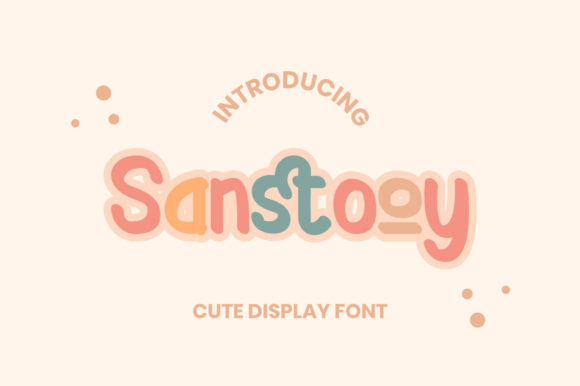
At its core, Sanstooy is a playful display font. Display fonts are typically used for headlines, titles, and short bursts of text rather than long paragraphs. They are designed to catch the eye and convey a specific tone immediately. Sanstooy achieves this through rounded edges, varied stroke weights, and a slightly irregular structure that mimics hand-drawn lettering without sacrificing legibility.
The primary characteristic of Sanstooy is its "cute" aesthetic. This does not mean it is childish in a way that limits its utility; rather, it suggests an innocence and lightness that resonates with feelings of happiness and nostalgia. For creators who want their brand or project to feel friendly and inviting, this font provides an instant visual cue. It softens the overall look of a design, making complex information feel more digestible and less intimidating.
When you choose Sanstooy, you are choosing a font that speaks directly to emotions. It triggers positive associations with playfulness and creativity. This is particularly valuable in today’s attention economy, where users scroll quickly through content. A headline set in Sanstooy can stop the scroll simply because it looks different from the standard corporate typography surrounding it.
Where Sanstooy Shines: Practical Use Cases
One of the most common questions designers ask is, "Where should I actually use this?" Because Sanstooy is a display font, it has specific strengths and limitations. Here are some of the most effective ways to incorporate it into your projects:
- Cartoon-Related Designs: If you are illustrating comics, animated characters, or children’s books, Sanstooy is a natural fit. Its bubbly shapes complement cartoon art styles perfectly, creating a cohesive visual language between the image and the text.
- Children’s Games and Apps: For developers and UI/UX designers working on educational games or entertainment apps for kids, readability combined with fun is key. Sanstooy offers high legibility for young readers while keeping the interface engaging and colorful.
- Inspirational Quotes and Social Media Graphics: Instagram and Pinterest are full of quote graphics. Using Sanstooy for the main message allows the text to become part of the illustration. It adds a layer of warmth that encourages sharing and saves.
- Brand Names and Logos: For businesses in the toy, bakery, daycare, or craft industries, a logo needs to stand out. Sanstooy can serve as a unique identifier that signals to customers that your brand is approachable and family-friendly.
- Book Covers and Posters: Fiction novels aimed at younger audiences or lighthearted non-fiction can benefit from the cover appeal of Sanstooy. On posters, it works well for event titles, especially for festivals, fairs, or community gatherings.
It is important to note that while Sanstooy is versatile within these categories, it is not suitable for body text. Trying to read a novel or a lengthy article in Sanstooy would be fatiguing for the eyes. Its strength lies in impact, not endurance. Keep it to headlines, labels, buttons, and short phrases.
Who Should Consider Using Sanstooy?
The beauty of modern typography tools is that they cater to everyone. You do not need to be a professional designer to appreciate the value of Sanstooy. Here is how different groups can benefit from incorporating it into their workflows:
Entrepreneurs and Small Business Owners: If you are launching a startup that values community and friendliness over cold efficiency, your branding materials matter. Using Sanstooy in your email headers, flyers, or website banners can help establish a brand voice that feels personal and trustworthy.
Educators and Content Creators: Teachers creating worksheets, presentations, or online courses often struggle to make learning materials feel exciting. Sanstooy can turn a dry title slide into something students look forward to seeing. It breaks down the barrier between formal education and casual learning.
Blogger and Marketers: In the world of content marketing, standing out is half the battle. By using Sanstooy for featured images or call-to-action buttons, you can increase click-through rates by making your content appear more inviting and less sales-y.
Important Considerations Before You Download
While Sanstooy is a fantastic tool, there are practical steps you should take before integrating it into your final designs. First, always check the licensing agreement. Some fonts are free for personal use but require a commercial license for business projects. Ensuring you have the proper rights protects you from legal issues later on.
Second, consider pairing. Sanstooy has a strong personality, so it needs a simple partner. When combining it with other fonts, opt for clean, neutral sans-serifs or classic serifs for body text. This contrast ensures that the playful nature of Sanstooy remains the focal point without clashing with supporting information. Avoid pairing it with other decorative fonts, as this can create visual chaos.
Finally, think about color and context. Sanstooy shines when paired with bright, pastel, or warm colors. However, ensure there is enough contrast between the text and the background to maintain accessibility. Even a cute font must be readable for everyone, including those with visual impairments. Testing your design in black and white can help you verify that the shape and weight of the letters hold up without the aid of color.
Final Thoughts on Creative Expression
Typography is one of the most powerful yet overlooked elements of design. It sets the stage for everything else you create. By choosing Sanstooy, you are making a deliberate choice to prioritize joy and connection in your visual storytelling. Whether you are designing a birthday invitation, a new app interface, or a brand identity, this font offers a reliable way to communicate positivity.
As you experiment with Sanstooy, remember that context is king. It works best when it aligns with the message you are trying to send. If your goal is to inform, entertain, or inspire with a smile, Sanstooy is a wonderful companion. Embrace its playful nature, pair it wisely, and watch as it brings a new dimension of life to your creative projects.