Quegos Display Font Evaluation
In the realm of graphic design and typography, selecting the right typeface is often a matter of balancing aesthetic appeal with functional clarity. For designers working on projects that require a distinct personality—specifically those leaning towards urban, artistic, or hand-crafted themes—the Quegos display font has emerged as a notable option. Characterized by its retro styling and graffiti-inspired aesthetics, Quegos offers a visual language that bridges the gap between street art culture and polished commercial design. This evaluation explores the characteristics of Quegos, analyzing its suitability for various applications, including letterheads, titles, and stationery, to help designers determine if it aligns with their specific project needs.
Understanding the Aesthetic: Retro Meets Street Art
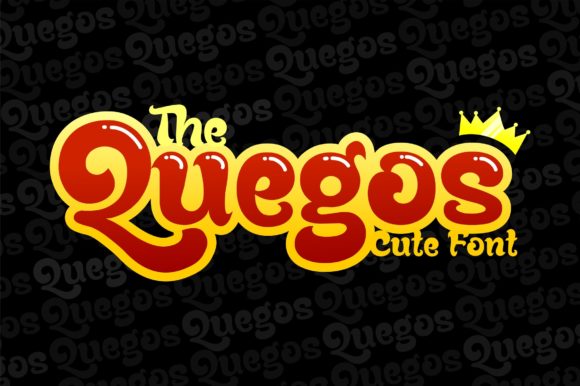
Quegos is fundamentally a display font, meaning it is designed to be used at large sizes rather than for extended body text. Its design philosophy draws heavily from two distinct visual traditions: the nostalgic charm of retro typography and the raw, energetic edge of graffiti art. The letters are constructed with thick, bold strokes that mimic the effect of spray paint or marker application, yet they retain a structured geometric integrity that prevents them from appearing chaotic.
The "retro" aspect of Quegos is evident in its color palette options and the slight wear-and-tear textures often associated with vintage signage. However, it avoids the clichés of 1950s diner fonts, instead opting for a more contemporary interpretation that feels relevant to modern urban environments. The graffiti influence is subtle; rather than mimicking wildstyle tags which can be illegible, Quegos uses drips, splatters, and uneven edges to suggest movement and spontaneity. This balance makes the font accessible to a broader audience while still retaining an edgy, creative flair.
Ideal Use Cases and Applications
One of the primary reasons designers consider Quegos is its versatility within the "crafty" or artisanal market. Because the font evokes a sense of handmade quality, it pairs exceptionally well with brands that want to communicate authenticity, creativity, and individuality. Below are several scenarios where Quegos proves to be a strong fit:
- Event Posters and Flyers: For music festivals, art exhibitions, or local community events, Quegos captures attention immediately. Its high-contrast shapes stand out against busy backgrounds, making it an excellent choice for headlines that need to compete for visual space.
- Craft Business Branding: Small businesses selling handmade goods, such as jewelry, pottery, or custom apparel, often use Quegos to signal that their products are crafted by human hands rather than mass-produced. It adds a layer of warmth and approachability to logos and packaging.
- Stationery and Invitations: As noted in its design brief, Quegos is well-suited for stationery. While not ideal for long paragraphs, it works beautifully for names, dates, and headers on wedding invitations (particularly for non-traditional or bohemian themes), business cards, and greeting cards.
- Social Media Graphics: In the fast-scrolling environment of Instagram or Pinterest, bold display fonts cut through the noise. Quegos allows content creators to add a pop of personality to quotes, announcements, and promotional banners without requiring complex graphic elements.
Benefits of Choosing Quegos
When evaluating typefaces, designers look for specific benefits that enhance the final output. Quegos offers several advantages that make it a compelling choice for certain projects:
- Immediate Visual Impact: The bold, graffiti-inspired nature of the font ensures that text is read quickly. In marketing materials where seconds count, Quegos delivers a message with authority and style.
- Emotional Resonance: Typography conveys emotion before the words are even read. Quegos communicates fun, energy, and creativity. For brands aiming to appear youthful or rebellious, this font provides an instant emotional shortcut.
- Versatility in Pairing: Despite its strong personality, Quegos can be paired effectively with clean, minimalist sans-serif fonts. Using Quegos for headlines and a simple font like Helvetica or Open Sans for body text creates a balanced hierarchy that prevents visual fatigue.
- Accessibility: Unlike many graffiti fonts that sacrifice legibility for style, Quegos maintains a reasonable level of readability. The characters are distinct enough that users can decipher them easily, even when stylized with drips or texture.
Tradeoffs and Considerations
No typeface is perfect for every situation. Understanding the limitations of Quegos is crucial for making an informed decision. Designers should consider the following tradeoffs:
Limited Utility for Body Text: As a display font, Quegos is not intended for long-form reading. Using it for paragraphs will result in poor readability and eye strain. It must be reserved for short bursts of text, such as titles, subtitles, and keywords.
Niche Appeal: The retro-graffiti aesthetic may not align with all brand identities. Corporate entities, legal firms, healthcare providers, or luxury brands seeking elegance and restraint might find Quegos too casual or aggressive. In these contexts, the font could undermine the perceived professionalism of the message.
Overuse Risks: Because Quegos is visually loud, overusing it can lead to a cluttered design. If every element on a page uses a similar heavy weight or stylistic flair, the design loses focus. It requires careful spacing and negative space management to let the font breathe.
Alternatives to Consider
Depending on the specific nuances of a project, other fonts might offer better solutions. If the goal is purely graffiti-inspired but with a more traditional tag-style look, fonts like Bangers or Permanent Marker might be more appropriate. These alternatives offer different levels of legibility and stylistic quirks.
If the project requires a retro feel but without the street art edge, designers might look toward mid-century modern fonts or classic serif displays. These options provide nostalgia without the urban grit, making them safer for broader, more conservative audiences.
For those who like the boldness of Quegos but need something more versatile across both display and semi-body text, a heavy-weight sans-serif or a condensed grotesque font might serve as a more functional alternative.
Practical Decision-Making Insights
To determine if Quegos is the right choice for your project, ask yourself the following questions:
- What is the tone of the brand? Does the brand value creativity, informality, and energy? If yes, Quegos is a strong candidate.
- Where will the text appear? Is it primarily for headlines, logos, and posters? If so, the display nature of Quegos is an asset. If it needs to appear in small print or dense information blocks, look elsewhere.
- Who is the target audience? Is the audience young, artistic, or interested in urban culture? Quegos resonates well with these demographics. For older or more formal audiences, it may create a disconnect.
- How will it be paired? Do you have a complementary font ready? Ensuring that Quegos is balanced by simpler typography is key to a professional result.
In conclusion, Quegos is a specialized tool in the designer’s toolkit. It excels in situations where visual impact and a specific cultural aesthetic are prioritized over neutrality and broad applicability. By understanding its strengths in retro-styled, graffiti-inspired contexts and respecting its limitations regarding legibility and tone, designers can leverage Quegos to create compelling, memorable communications for crafty ideas, stationery, and dynamic titles.