Menoreh: Why This Bold Display Font Is a Game-Changer for Streetwear and Branding
In the world of graphic design, typography is rarely just about readability; it is about voice. It is the visual equivalent of tone of voice. When you are designing for an audience that values authenticity, energy, and urban culture, standard serif or clean sans-serif fonts often fall flat. They lack the punch required to stop a scroll or grab attention on a crowded shelf. This is where Menoreh enters the conversation. It is not merely another typeface; it is a statement piece designed to inject immediate attitude into your projects.
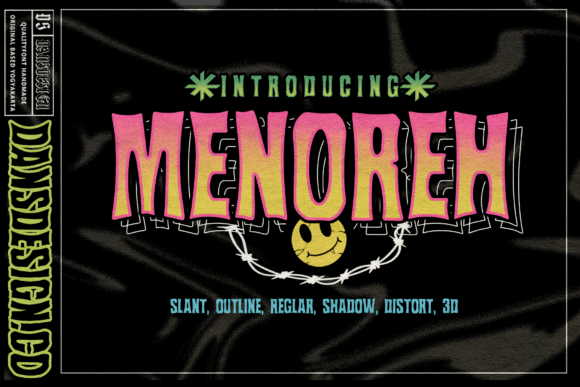
Menoreh is characterized by its bold, chunky letterforms and a distinct street art aesthetic. If you have ever walked through a city center and seen graffiti tags, stencil posters, or limited-edition sneaker drops, you have likely encountered the visual language that Menoreh replicates with precision. For designers, marketers, and small business owners, understanding how to leverage this font can elevate a mediocre design into a compelling brand asset. However, using a display font as powerful as Menoreh requires more than just dragging and dropping it onto a canvas. There are nuances regarding application, pairing, and context that can make or break your design’s effectiveness.
Understanding the Vibe: What Makes Menoreh Unique?
To use Menoreh effectively, you must first understand its personality. The font draws heavily from the raw, unpolished energy of street art. Its letters are thick, impactful, and slightly irregular in ways that suggest human touch rather than mechanical perfection. This gives it a trendy, contemporary feel that resonates strongly with younger demographics while still maintaining enough sophistication to appeal to broader audiences.
This specific aesthetic makes it ideal for industries that thrive on visibility and excitement. Sportswear brands, music festivals, skate shops, and urban fashion labels find natural synergy with Menoreh. But its utility extends beyond these obvious niches. A local coffee shop aiming for a hipster image, a tech startup wanting to appear disruptive, or even a blogger looking to create eye-catching headers can all benefit from its presence. The key is recognizing that Menoreh is a display font. It is meant to be seen, not read in long paragraphs. Its strength lies in headlines, logos, and short bursts of text where impact outweighs volume.
Common Mistakes When Using Bold Display Fonts
Even experienced designers can stumble when introducing a heavy hitter like Menoreh into their workflow. One of the most frequent errors is overuse. Because the font is so visually dominant, there is a temptation to let it carry the entire design. When every element screams for attention, nothing stands out. This results in visual noise, which confuses the viewer and dilutes your message. If your poster features Menoreh for the title, the subtitle, and the call-to-action, you have created a hierarchy problem. The eye does not know where to land.
Another critical oversight is ignoring legibility at smaller sizes. While Menoreh looks stunning large, its chunky nature means it can become muddy or illegible when scaled down too far. Placing it on a small mobile banner or a tiny social media icon can render your text unreadable, defeating the purpose of communication entirely. Additionally, some users attempt to pair Menoreh with other busy or decorative fonts. This creates a clash of styles that feels chaotic rather than curated. A bold, street-art font needs a partner that provides balance, not competition.
The Cost of Poor Typography Choices
Why do these mistakes matter? In marketing, first impressions are formed in seconds. If your typography feels amateurish or cluttered, potential customers may subconsciously question the quality of your product or service. For a clothing brand, a poorly executed logo can look cheap. For a sports event, a confusing flyer can reduce ticket sales. The cost of a bad design decision is not just in the time spent fixing it later; it is in the lost credibility and missed opportunities. By avoiding these pitfalls, you ensure that your investment in design tools yields a professional return.
Best Practices for Integrating Menoreh
To get the most out of Menoreh, treat it with respect and intentionality. Start by defining its role. Use it for primary headlines, main titles, or logo lockups. Keep the body text simple and neutral. A clean, geometric sans-serif or a classic serif works beautifully alongside Menoreh because it allows the bold font to shine without distraction. Think of Menoreh as the lead singer and the supporting font as the band—they need to complement each other, not fight for the spotlight.
Consider the spacing carefully. Bold fonts often require more breathing room than thinner ones. Tight kerning (spacing between letters) can cause the thick strokes to bleed together, creating an ugly blob. Give your letters space to expand. White space is your friend here; it frames the boldness of Menoreh and enhances its readability. Furthermore, experiment with color. Since Menoreh has such strong form, it can handle high-contrast color combinations well. Neon greens against black, or bright oranges against deep navy, can amplify the street art vibe you are aiming for.
Context Matters: Where Menoreh Shines
- T-Shirts and Apparel: The chunky letters sit perfectly on fabric, offering a tactile, robust look that appeals to fashion-conscious consumers.
- Sportswear Logos: The aggressive stance of the letters conveys strength, speed, and power, aligning well with athletic branding.
- Event Posters: For concerts, markets, or workshops, Menoreh grabs attention instantly, ensuring your event stands out in a crowded feed.
- Digital Ads: On social media platforms, where users scroll quickly, the bold weight of Menoreh stops the thumb, increasing click-through rates.
Evaluating Your Design Before Launch
Before you finalize any project featuring Menoreh, step back and evaluate. Ask yourself: Is the message clear? Is the font used only where it adds value? Does the contrast between Menoreh and the supporting text provide a clear visual hierarchy? If you are printing on physical products, check a proof copy. Digital screens can sometimes exaggerate the thickness of lines, leading to unexpected results on paper or fabric.
It is also worth considering the longevity of the trend. Street art aesthetics are timeless in their rebellion but evolve in their execution. Ensure that your use of Menoreh feels authentic to your brand identity rather than a fleeting gimmick. Authenticity connects with audiences aged 20 to 50 who are savvy enough to spot insincerity. By using Menoreh thoughtfully, you signal that you understand your market and respect their intelligence.
In conclusion, Menoreh is a versatile and powerful tool for any designer or creator looking to add edge and energy to their work. It bridges the gap between commercial viability and artistic expression. By avoiding common traps like overuse and poor pairing, and by focusing on balance and context, you can harness its full potential. Whether you are launching a new clothing line, designing a campaign, or updating your blog’s aesthetic, Menoreh offers a bold path forward. Just remember: let it speak loudly, but give it the stage it deserves.