Exorcist Font: Elevating Horror Design with Purpose
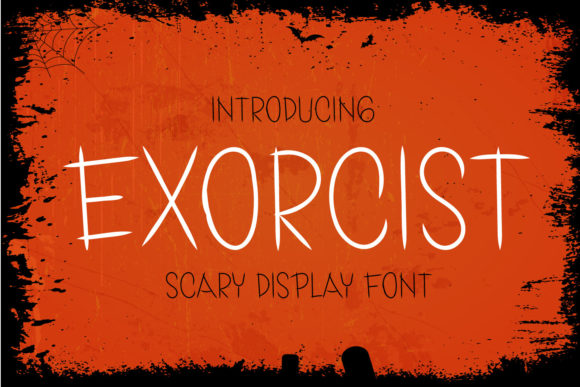
When it comes to visual storytelling, few elements are as immediate or potent as typography. In the realm of horror and seasonal design, a typeface does more than just convey words; it sets the atmosphere before a single sentence is read. Exorcist is a display font that captures this essence perfectly. It is simple yet undeniably scary, offering a stark, chilling aesthetic that demands attention. Whether you are designing for Halloween campaigns, October-themed parties, or any project requiring an edge of dread, this font serves as a powerful tool in your creative arsenal.
The beauty of Exorcist lies in its restraint. It avoids the cluttered, overly ornate styles that often plague horror typography, opting instead for a clean, imposing presence. This simplicity allows it to scale effectively across various mediums, from large-format billboards to intimate social media graphics. For designers, marketers, and hobbyists alike, understanding how to leverage such a specific typographic voice can transform a generic layout into a memorable experience.
Understanding the Aesthetic of Exorcist
To use Exorcist effectively, one must first appreciate what makes it distinct. The font features sharp angles and a rigid structure that evokes feelings of unease without relying on clichéd blood splatters or distorted letters. It feels archival, almost like a label found in a forgotten basement or a warning sign in an abandoned facility. This "simple yet scary" quality is crucial because it prevents design fatigue. When every element screams for attention, nothing stands out. Exorcist whispers terror, which is often far more effective than shouting it.
The legibility of the font also plays a significant role in its utility. Unlike many horror fonts that sacrifice readability for style, Exorcist maintains enough clarity to be functional. This balance is essential for practical applications where the message must be understood quickly. For instance, if you are creating a flyer for a haunted house attraction, potential visitors need to know the date, time, and location instantly. Exorcist can provide the thematic header while remaining clear enough to ensure the critical details are not lost in the fear factor.
Creative Applications Across Platforms
The versatility of Exorcist extends beyond traditional print media. In today’s digital-first landscape, creators need fonts that perform well on screens of all sizes. Here is how different user groups can adapt this font for maximum impact:
- Social Media Marketers: Use Exorcist for headline text in Instagram stories or Facebook event posts. Its bold nature cuts through the noise of scrolling feeds. Pair it with dark backgrounds and minimal imagery to let the typography do the heavy lifting. Keep the body text in a neutral, sans-serif font to maintain hierarchy and readability.
- Event Organizers: For October parties or Halloween gatherings, Exorcist is ideal for invitations and signage. It immediately signals the theme of the event. Consider using it for the main title of the invitation, while keeping logistical details in a simpler font. This contrast ensures guests get the vibe without missing the RSVP deadline.
- Content Creators and Bloggers: If you write about horror movies, true crime, or seasonal trends, use Exorcist for pull quotes or section headers. It breaks up long-form content and adds visual interest. However, avoid using it for entire paragraphs, as it can become difficult to read over extended periods.
- Small Business Owners: Retailers selling costumes, decorations, or themed food products can use Exorcist for promotional banners. It creates a cohesive brand identity during the spooky season. Ensure that your logo or primary branding remains consistent, using Exorcist only for temporary seasonal campaigns to avoid confusing regular customers.
Best Practices for Implementation
Inspiration is valuable, but execution is what separates amateur designs from professional ones. When integrating Exorcist into your projects, keep these practical guidelines in mind to ensure your work remains clear, effective, and audience-friendly.
Contrast is Key
Because Exorcist has such a strong visual weight, it requires a balanced counterpart. Avoid pairing it with other decorative or busy fonts. Instead, choose clean, understated typefaces for supporting text. A modern sans-serif or a classic serif works well to ground the design. This contrast highlights the unique character of Exorcist while ensuring the overall composition remains organized. Think of Exorcist as the spotlight and the supporting font as the stage—it provides the foundation for the star to shine.
Mindful Spacing and Kerning
Display fonts often require careful adjustment of spacing. With Exorcist, pay close attention to letter spacing (kerning) and line height. Tight spacing can make the sharp edges clash, creating visual vibration that distracts the reader. Generous white space around the text allows the font’s shape to breathe and enhances its eerie presence. Don’t be afraid to leave empty space; in horror design, silence (or emptiness) can be just as loud as noise.
Color Psychology
The color palette you choose will significantly influence how Exorcist is perceived. While red and black are traditional choices for horror, consider experimenting with muted tones like sickly greens, deep purples, or desaturated grays. These colors can evoke a sense of decay or supernatural coldness that complements the font’s rigid structure. Avoid neon colors unless you are aiming for a retro-80s slasher aesthetic, as bright hues can undermine the font’s subtle menace.
Expanding Beyond Halloween
While Exorcist is naturally suited for October festivities, its appeal shouldn’t be limited to a single month. The font’s ability to convey mystery, tension, and authority makes it suitable for year-round projects in specific niches. True crime podcasts, mystery novel covers, escape room branding, and even thriller movie posters can benefit from its distinctive look. By thinking outside the box, you can find new contexts where a touch of the macabre adds value to your communication.
For educators and hobbyists, incorporating Exorcist into creative writing prompts or art projects can spark imagination. It serves as a visual prompt that encourages participants to think about mood and tone. How does the font change the way we interpret a simple sentence? Exploring these questions can deepen your understanding of typography as a narrative tool.
Final Thoughts on Creative Direction
Using Exorcist is not just about slapping a scary font onto a design. It is about understanding the psychology of fear and how typography can manipulate perception. When used thoughtfully, it enhances the user’s experience, drawing them into the world you have created. Whether you are a seasoned designer looking to refresh your portfolio or a small business owner wanting to stand out during the holiday season, Exorcist offers a reliable, impactful solution.
Remember to test your designs in real-world contexts. View your graphics on mobile devices, print them out at different sizes, and gather feedback. Typography is subjective, but effectiveness is measurable. By balancing inspiration with practical guidance, you can create designs that are not only visually striking but also strategically sound. Let Exorcist be the voice of your project, speaking volumes with just a few carefully chosen letters.