Apricot
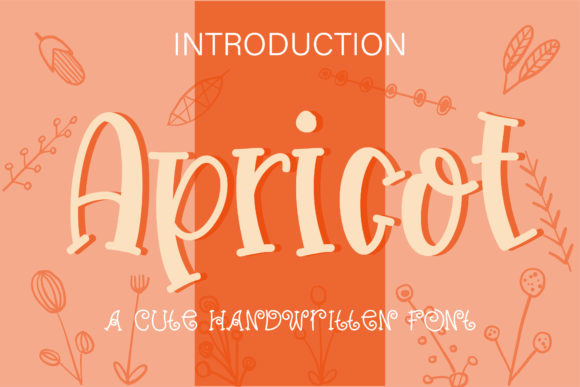
In the ever-evolving landscape of digital design, where visual hierarchy and emotional resonance dictate user engagement, typography has emerged as a silent but powerful storyteller. Among the vast array of typefaces available to creators, Apricot stands out not just as a font, but as a distinct personality injected into a project. Described as a cute and quirky display font, Apricot is more than a decorative element; it is a strategic tool for designers, marketers, and content creators who need to convey warmth, playfulness, and approachability without sacrificing readability or aesthetic cohesion.
The relevance of a typeface like Apricot extends far beyond simple decoration. In an era where users are bombarded with sterile, corporate-looking interfaces and generic stock imagery, fonts that offer character can break through the noise. Whether you are designing for cartoon-related projects, developing children’s games, or simply adding a lovely touch to a personal blog, Apricot provides a versatile solution that bridges the gap between whimsy and professionalism. This article explores why this specific typographic choice matters in modern creative workflows and how it fits into broader trends in digital communication.
The Psychology of Playful Typography
To understand the value of Apricot, one must first understand the psychological impact of "cute" and "quirky" design elements. Human beings are naturally drawn to shapes and forms that evoke feelings of safety, joy, and nostalgia. Soft curves, irregular alignments, and hand-drawn aesthetics trigger positive emotional responses, lowering cognitive load and making content feel more accessible.
Apricot leverages these principles effectively. Its design language suggests informality and friendliness, which is crucial for brands aiming to build trust with younger demographics or those seeking to humanize their digital presence. For instance, a financial app targeting Gen Z might use traditional serif fonts to establish authority, but if they want to encourage savings habits through gamification, integrating a font like Apricot for headers or call-to-action buttons can make the process feel less intimidating and more engaging.
This shift towards emotionally intelligent design is not merely a trend; it is a response to user fatigue. Audiences are increasingly critical of overly polished, impersonal designs. They crave authenticity and connection. A quirky font signals that there is a human behind the screen, willing to invest effort into creating a unique experience rather than relying on templates. This subtle cue can significantly enhance brand loyalty and user retention.
Applications Across Creative Industries
The versatility of Apricot allows it to be deployed across various sectors, each benefiting from its unique charm. Let us explore some practical applications where this font shines.
Children’s Media and Education
Perhaps the most obvious application for Apricot is in materials designed for children. From educational apps and mobile games to printable worksheets and storybook covers, the font’s legibility combined with its playful nature makes it ideal for young readers. Children are often drawn to text that looks like it belongs in their world—colorful, bouncy, and fun. Apricot supports this by maintaining clear letterforms while adding enough character to keep attention focused. For educators and parents, using such fonts can also reduce anxiety around learning materials, making them appear less like chores and more like adventures.
Branding for Lifestyle and Hobby Businesses
Entrepreneurs in the lifestyle sector—such as boutique candle makers, artisanal bakeries, or handmade jewelry sellers—often struggle to balance professionalism with creativity. Too formal, and the brand feels cold; too casual, and it may lack credibility. Apricot offers a middle ground. When used for logos, packaging labels, or social media graphics, it conveys a sense of care and craftsmanship. It suggests that the product was made with love, aligning perfectly with the values of consumers who prioritize ethical and artistic consumption.
Digital Marketing and Content Creation
For bloggers, influencers, and marketers, visual consistency is key to building a recognizable brand identity. Apricot can serve as a distinctive signature element in email newsletters, YouTube thumbnails, or Instagram stories. By breaking away from standard sans-serif or serif fonts, creators can establish a memorable visual voice. For example, a travel blogger documenting family vacations could use Apricot for location titles or day headers, instantly evoking a sense of adventure and warmth. This stylistic choice helps differentiate their content in a crowded feed, encouraging users to pause and engage.
Trends Shaping the Demand for Quirky Fonts
The growing popularity of fonts like Apricot is tied to several broader shifts in technology and consumer behavior. One significant factor is the rise of mobile-first design. On smaller screens, space is at a premium, and clutter must be minimized. Display fonts with strong personalities can communicate tone quickly, reducing the need for excessive explanatory text. A single headline in Apricot can set the mood for an entire page, allowing designers to focus on high-quality imagery and concise messaging.
Additionally, the normalization of remote work and freelance culture has led to a surge in personalized branding. More individuals are launching solo businesses or side hustles, and they often lack the budget for extensive custom illustration projects. High-quality, expressive fonts provide a cost-effective way to achieve a bespoke look. Apricot, with its ready-made charm, serves as an affordable asset that elevates the perceived value of a project without requiring advanced graphic design skills.
Furthermore, the nostalgia cycle continues to influence design trends. Millennials and Gen Z have a strong affinity for retro aesthetics, including 70s and 90s pop culture. Apricot’s quirky nature often echoes these vintage styles, tapping into collective memories and emotions. This nostalgic resonance is a powerful marketing tool, as it creates an instant bond with audiences who associate certain visual styles with positive past experiences.
Practical Considerations for Implementation
While Apricot is a fantastic choice for many projects, successful implementation requires thoughtful consideration. Here are some best practices for incorporating this font into your designs:
- Pairing Strategies: To prevent visual overload, pair Apricot with neutral, clean typefaces for body text. A simple sans-serif or classic serif can provide the necessary contrast, ensuring that the quirky font remains a highlight rather than a distraction. This balance maintains readability while allowing the display font to shine.
- Strategic Usage: Use Apricot sparingly. It is most effective as a display font for headlines, titles, and short phrases. Avoid using it for long paragraphs of text, as its unique shapes can hinder reading speed and comprehension. Reserve its full potential for moments where you want to grab attention or convey emotion.
- Contextual Relevance: Ensure that the tone of the font matches the message. While Apricot is lovely and whimsical, it may not be suitable for serious topics such as legal documents, medical information, or crisis communications. Always consider the context and audience before applying a playful typeface.
- Color and Spacing: Experiment with color palettes that complement the softness of the font. Pastels, warm earth tones, or vibrant primaries can enhance its appeal. Additionally, pay attention to letter spacing (kerning) and line height to ensure the text breathes well and remains legible across different devices.
Conclusion: Embracing Character in Design
In a digital world dominated by uniformity, choosing a font like Apricot is a deliberate act of differentiation. It reflects a desire to connect on a human level, to inject joy into everyday interactions, and to create designs that resonate emotionally. For professionals and hobbyists alike, understanding the power of typography goes beyond knowing how to select a typeface; it involves recognizing how visual choices shape perception and behavior.
As we move forward, the demand for authentic, engaging, and personable design will only increase. Fonts that offer character and warmth will continue to play a vital role in helping brands and creators stand out. Apricot, with its cute and quirky essence, is more than just a font—it is a tool for storytelling, a bridge to audiences, and a testament to the idea that even in the smallest details, there is room for creativity and heart. Whether you are crafting a children’s game, designing a brand identity, or simply decorating a personal project, Apricot offers an amazing choice for adding that special, lovely touch to your work.